Why Fabric Weight Matters More Than Style for Flare Legging Movement
Two pairs of flare leggings can share the identical cut pattern and still move in completely different ways, and fabric weight is almost always the reason. A flare that’s too light clings and loses its shape; one that’s too heavy stiffens and stops swinging. Getting this right matters more than the specific brand or cut.

Why the Same Cut Behaves Differently by Weight
The physics of it: the the-light-fabric-clings (the lighter, thinner fabric weights lacking the structure to hold a flare’s shape away from the leg, per general textile-drape principles, causing the flare to collapse against the calf during movement), the the-heavy-fabric-restricts-swing (the overly heavy or stiff fabric holding shape but resisting the natural swinging motion a flare is designed to create), the the-midweight-sweet-spot (a midweight fabric with moderate structure typically producing the visible, swinging flare movement most people picture when they buy the style).
How to Judge Fabric Weight Before Buying
The practical test: the the-hold-and-drop-test (the physically holding the fabric bunched then releasing it — fabric that unfurls with a visible fall and slight bounce is closer to the ideal weight than fabric that either drops flat instantly or barely moves), the the-blend-percentage-clue (the higher poly-to-spandex ratios tending toward stiffer structure, useful for flare shape, while higher spandex percentages tend toward clingier movement), the the-online-review-movement-mentions (the checking reviews specifically for movement or swing comments, not just fit comments, since fit and movement are different qualities).
Matching Fabric Weight to Intended Use
The use-case split: the the-studio-and-dance-favor-midweight-flow (the dance and barre uses benefiting most from the swinging midweight flare, where visible movement is part of the aesthetic), the the-athletic-use-favors-slightly-heavier (the running or training uses benefiting from a slightly heavier, more structured flare that won’t flap excessively during faster movement), and the frame (check the fabric weight and blend before the cut — the cut alone doesn’t determine how it moves).
The difference between flare leggings that swing beautifully and ones that just cling or stiffen usually isn’t the cut — it’s the fabric weight underneath it. Too light and the fabric lacks the structure to hold the flare shape away from the leg, collapsing during movement; too heavy and it holds shape but resists the natural swing the style is built around. A midweight fabric with a poly-to-spandex ratio leaning slightly toward structure tends to hit the visible, swinging movement most people actually want from the style. The best low-effort test before buying is physically bunching and releasing the fabric — a slight bounce and visible unfurl signals the right weight, while an instant flat drop or almost no movement signals the wrong one. Checking reviews specifically for movement comments, not just fit comments, adds another layer of confirmation. Why Fabric Weight Matters More Than Style for Flare Legging Movement.
See It in Motion
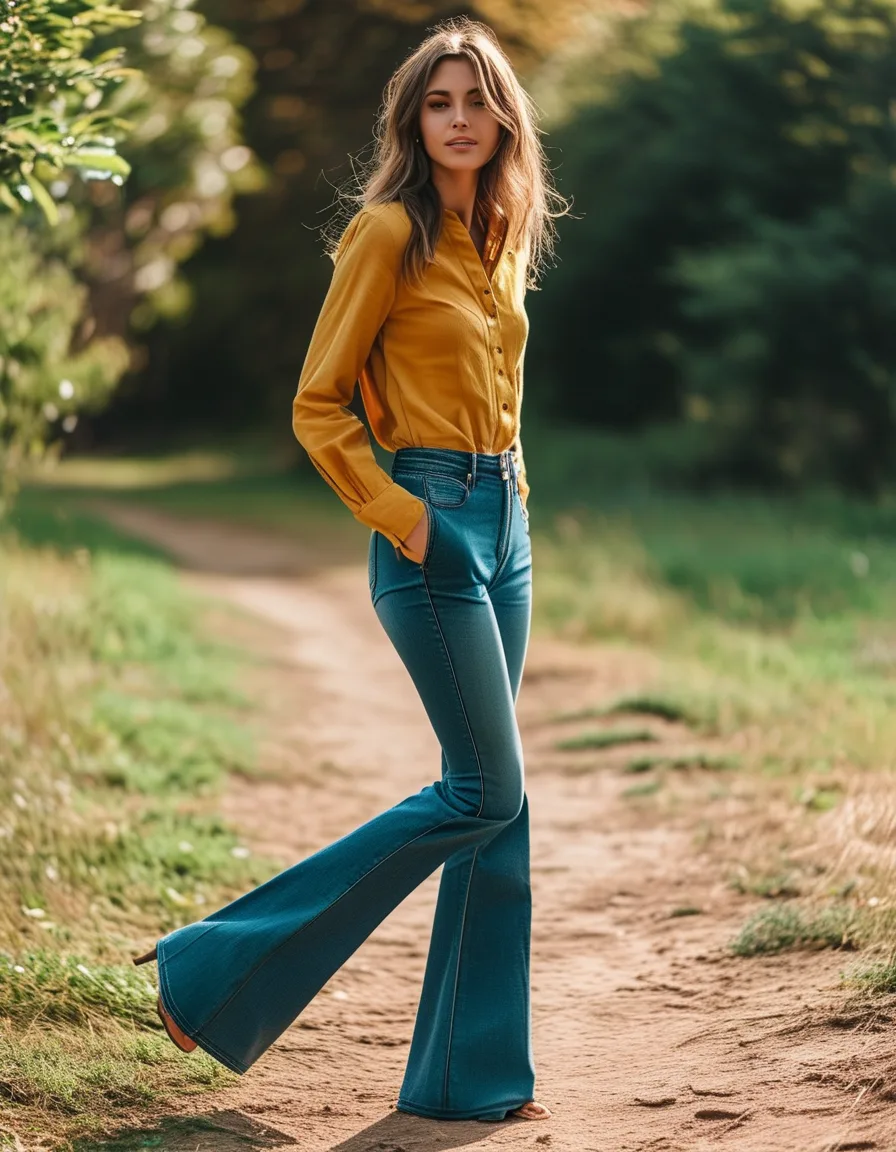
Seen here: Bootcut Capri Yoga Pants with Pockets — shop similar styles on bubblelime.com
Keep Reading
This article is for general informational and styling purposes only. Fit, sizing, and product availability may vary.